
Practice software is a clinical decision, not just an IT purchase
In a busy dental clinic, the system at the front desk touches almost everything: appointments, charting, treatment plans, imaging, billing and recall reminders. When it works well, staff spend more time with patients and less time searching for files. When it works poorly, the same data is typed twice, radiographs live in a separate folder, and a missed recall quietly becomes a lost patient.
That is why dentists should evaluate software with the same care they give to a new chair or scanner. The American Dental Association’s practice management resources are a helpful neutral reference for thinking about workflow, staff roles and record keeping, even for clinics outside the United States.
Charting and imaging belong in one record
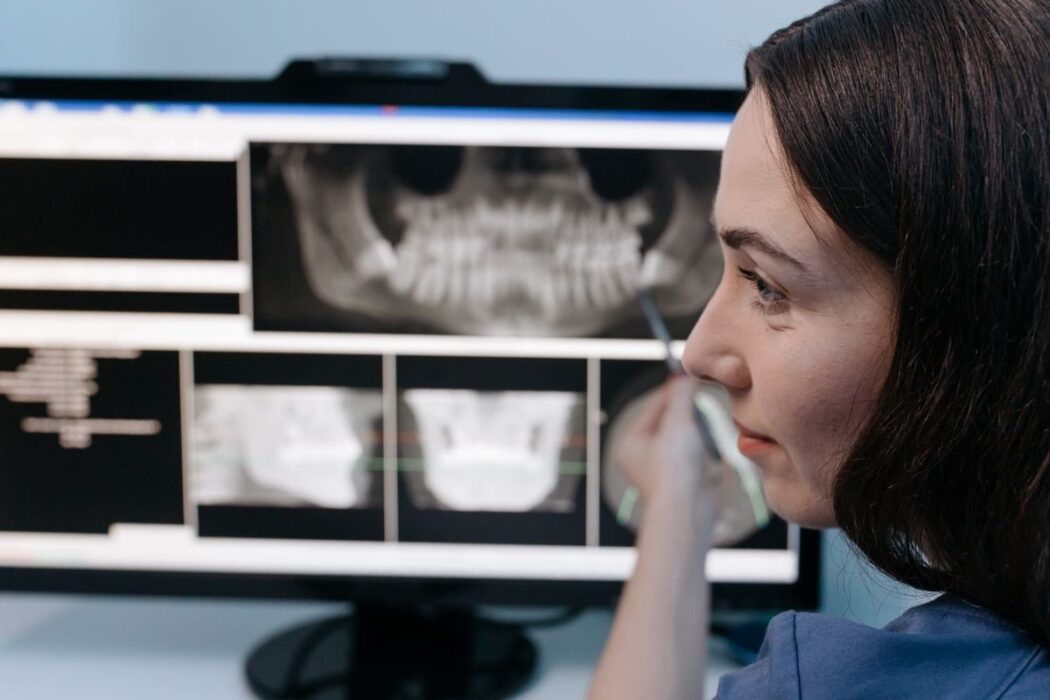
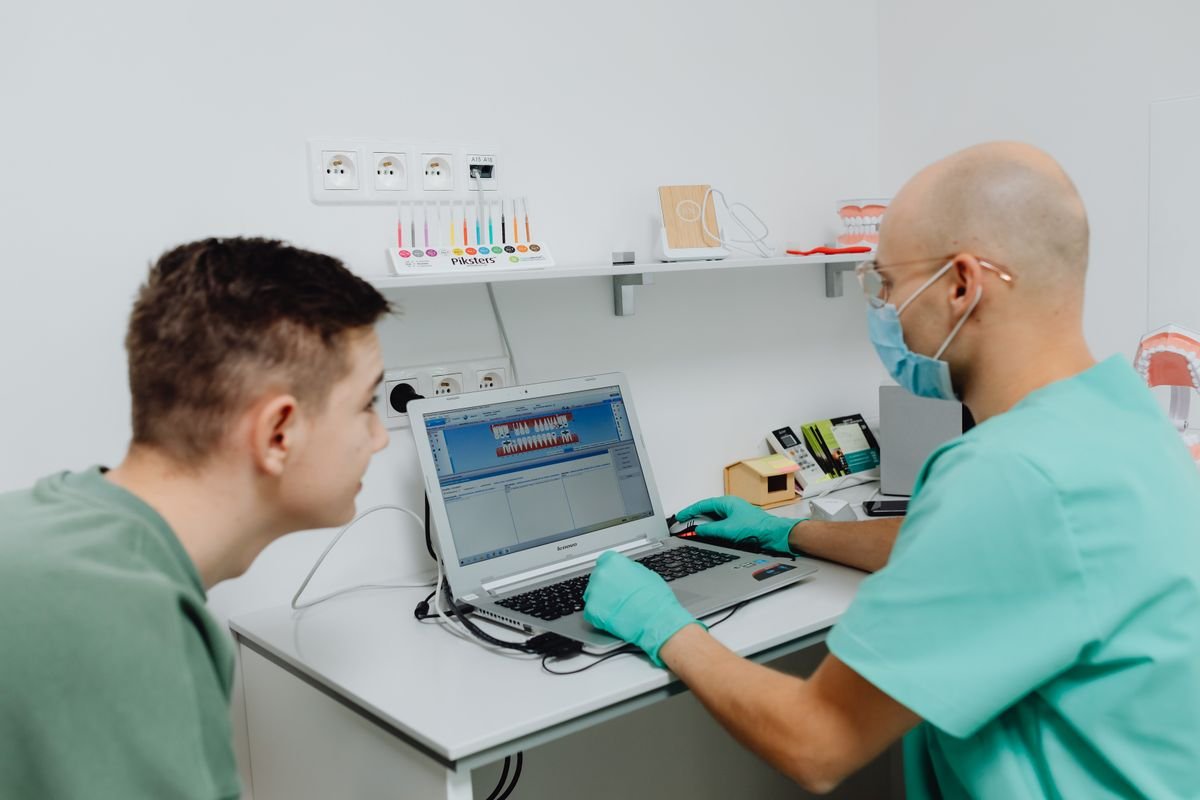
Odontograms, periodontal charts and treatment notes are most useful when they sit next to radiographs and intraoral photos. A dentist explaining a filling or an implant plan can point to the same tooth on the chart and the image, which makes consent conversations clearer. Look for systems that import images from your existing sensors and panoramic units without manual renaming. Side by side comparison of older and newer images also helps patients see changes over time.
Ask vendors to demonstrate a full patient journey: booking, check-in, charting, treatment plan, invoice and recall. Watching one case end to end reveals far more than a feature list. Note how many clicks it takes to record a routine scale and polish, because small delays repeat dozens of times a day across every chair in the clinic.
Data protection and Malaysian compliance
Dental records contain sensitive personal data, so storage and access controls matter. Malaysia’s Personal Data Protection Department explains the obligations of organisations that process personal information, including security, retention and patient access rights. Cloud systems should state where data is hosted, how backups work and how user permissions are separated between dentists, assistants and front desk staff.
Billing has its own requirements. With e-invoicing being phased in nationally by the Inland Revenue Board, clinics benefit from software that can generate compliant invoices without exporting data into a separate tool. Confirm how the system handles panel companies, insurance claims and partial payments before signing any contract. Ask, too, how audit trails record who viewed or changed a record, since that history protects both patients and the clinic if a dispute ever arises.
An overview of electronic health records: data entry, secure access, decision support and interoperability.
Cloud, onboarding and support
Cloud platforms reduce the burden of maintaining a local server and make reporting across branches simpler. The trade-off is reliance on stable internet, so ask about offline access and support response times when connections drop. Training matters too: a system that assistants find intuitive will be adopted far faster than one that only the practice manager understands.
For an example of how a local vendor presents these capabilities, review a cloud clinic management platform built in Malaysia and compare its charting, scheduling and reporting descriptions against your own checklist. Request a trial with real but anonymised scenarios rather than a scripted demo, and involve the front desk team in the evaluation from day one. Clarify how data can be exported if you ever change vendors, because portability is far easier to negotiate before signing than after years of records have accumulated.
Software and the patient’s impression of your clinic
Patients rarely see your database, but they feel its effects. Accurate reminders, quick check-ins, clear treatment estimates and tidy digital forms all shape how professional a clinic seems. An article on how practice systems shape a clinic’s brand makes the case that consistency in communication is part of branding, not an afterthought. Choose a system that supports the experience you want patients to describe to their friends, then review that experience every few months as your team and services grow.